

A Practical, Reassuring Guide for Minnesota Parents
By the Care Team at New BB Health | Roseville, Minnesota
If your child has been recommended for speech therapy, you might be feeling a mix of emotions right now — relief that you finally have a plan, maybe some worry about what comes next, and a dozen questions running through your head.
That is completely normal, and you are not alone.
Parents across Minnesota — right here in Roseville, the Twin Cities, and surrounding communities — go through this exact moment every day. The good news is that starting pediatric speech therapy is one of the most positive steps you can take for your child, and preparing well makes the whole experience smoother for everyone.
In this guide, we will walk you through exactly what to expect at your child’s first speech therapy session, how to get ready beforehand, and simple things you can do at home to support your child’s progress from day one. Whether your little one has a speech delay, a language disorder, or has recently received an autism diagnosis, this guide is written for you.
Quick Note Before We Start: Speech therapy is not about “fixing” your child. It is about giving them the tools to communicate more confidently — at their own pace, in a safe and supportive space.
What Actually Happens at the First Speech Therapy Session?
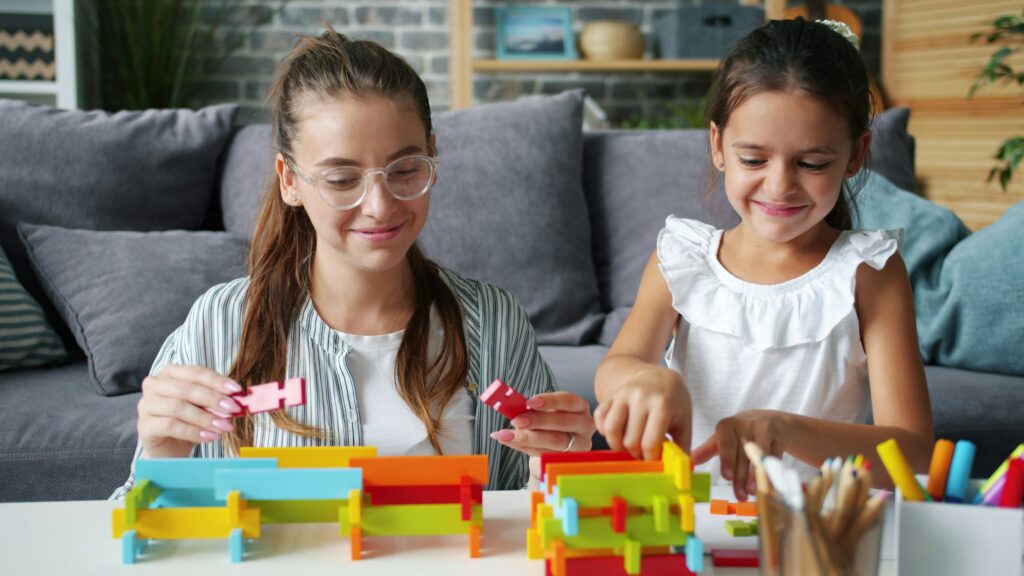
Many parents picture the first session as something clinical and intense. In reality, it looks a lot more like play — because that is exactly how pediatric speech therapists work best with young children.
At most pediatric speech therapy clinics in Minnesota, the first session is not about jumping straight into exercises or drills. Instead, the speech-language pathologist (SLP) focuses on three things:
- Getting to know your child in a relaxed, low-pressure environment
- Observing how your child naturally communicates through play and interaction
- Gathering information from you as the parent to build a complete picture
The therapist will interact with your child using toys, books, games, and age-appropriate activities. To your child, it will honestly feel like fun. Behind the scenes, the SLP is carefully observing speech patterns, vocabulary, how your child follows instructions, and how they express themselves.
This first visit also sets the tone for every session that follows. The goal is connection and comfort — not performance. Your child will not be put on the spot or expected to do anything they are not ready for.
Session length: The first appointment typically lasts between 60 to 90 minutes, which includes time for your paperwork, the initial observation, and a conversation with you about next steps.
Before the Session: 6 Things to Do at Home
A little preparation goes a long way. Here is what we recommend for parents before bringing their child to their first pediatric speech therapy session in the Twin Cities area:
1. Explain It in Simple, Positive Language
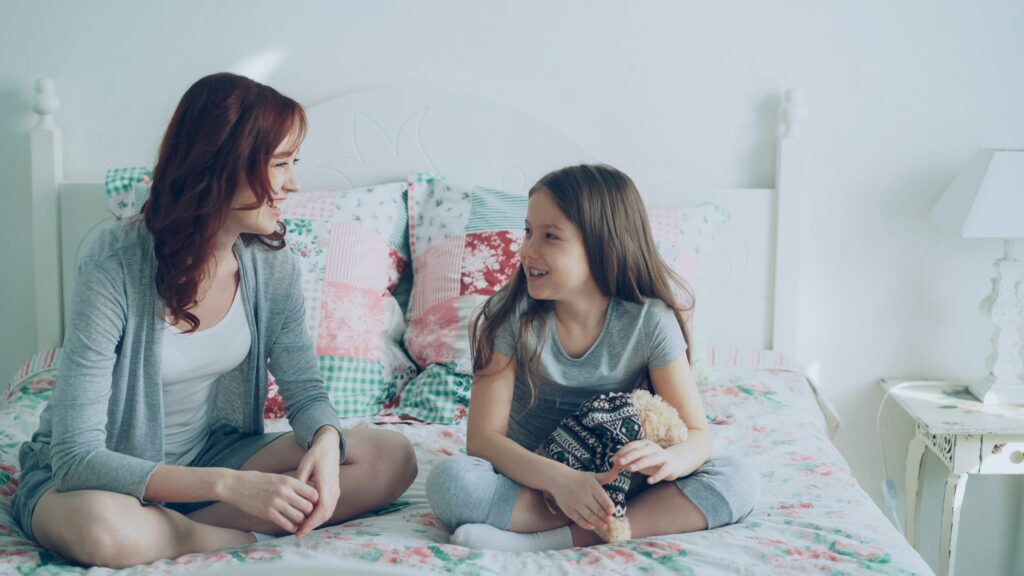
Your child does not need a long explanation — they just need to feel safe. For young children, try something like:
“We’re going to meet a new friend today who loves playing games and helping kids with their talking. You’re going to have so much fun!”
Avoid words like “test” or “problem.” Keep it light, casual, and exciting. If your child is older, you can be a little more specific — but still keep the tone positive and reassuring.
2. Show Them a Photo of Their Therapist Beforehand
If a clinic shares therapist photos on their website, show your child ahead of time. Seeing a familiar face before walking through the door can make a big difference — especially for children who feel anxious around new people or new environments.
3. Gather and Bring Important Documents
Your speech-language pathologist will need background information to create the most effective plan for your child. Before the appointment, gather:
- Any previous speech or developmental evaluations
- IEP (Individualized Education Program) documents from school, if applicable
- Notes from teachers, pediatricians, or other care providers
- A written list of your own observations and concerns — write these down so you do not forget in the moment
4. Take Care of the Basics First
This tip sounds simple, but it matters more than you think. Make sure your child has had a snack, is well-rested, and has had a chance to move around before the session. A child who is hungry or overtired is going to struggle to engage, no matter how wonderful the therapist is.
If possible, let them run around the park or play outside for 20 minutes before the appointment. Burning off that extra energy helps them settle into focused play much more easily.
5. Pack a Comfort Item
Is there a stuffed animal, small toy, or blanket your child loves? Bring it along. Having something familiar from home can be a powerful anchor for children who feel nervous in new situations. The therapist will welcome it — it can even become part of the session!
6. Leave Siblings at Home If You Can
The first speech therapy session works best when the focus is entirely on your child. If you can arrange childcare for siblings, that is ideal. It allows the therapist to observe your child clearly, and it allows you to be fully present for the conversation with the SLP.
What Is Your Role as a Parent During the Session?
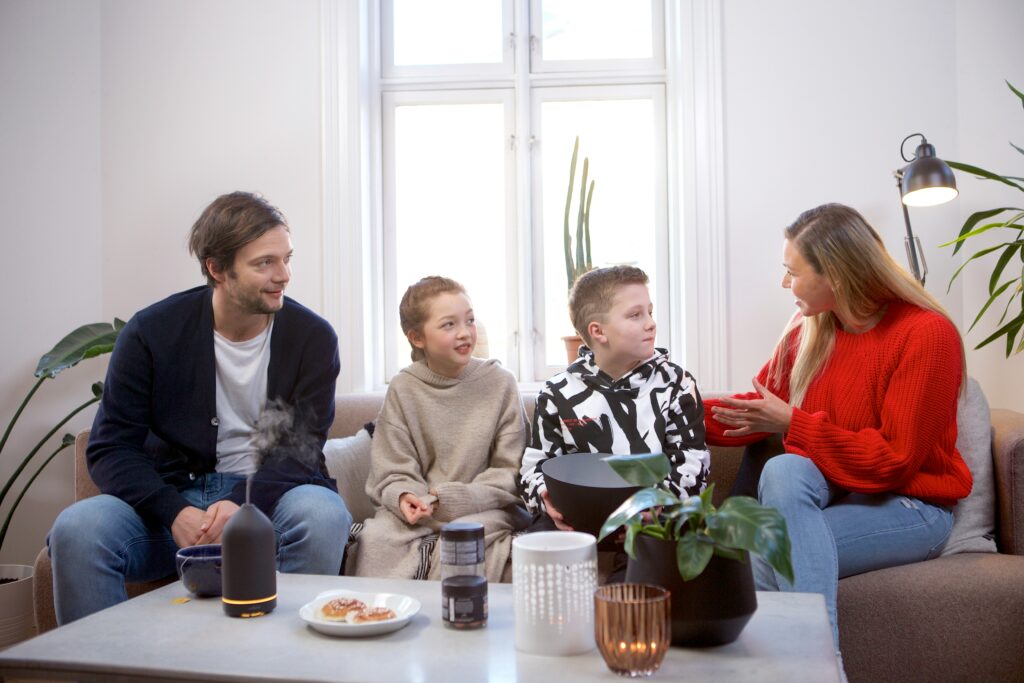
You are not just a bystander — you are a key part of your child’s therapy team from day one.
Be prepared to share information: The therapist will ask about your child’s birth history, developmental milestones, daily routine, and any specific behaviors or communication challenges you have noticed at home. There are no wrong answers. The more honest and detailed you can be, the better the SLP can tailor the plan to your child.
You may be invited to observe or participate: Many speech-language pathologists in Minnesota encourage parents to stay in the room, especially for younger children. Your presence is reassuring for your child and helps you understand exactly what the therapist is working on.
You will leave with a clear next step: By the end of the first session, you should have a general sense of what the therapist observed, what goals they are considering, and what the proposed schedule looks like.
Do not be afraid to ask questions. A good therapist welcomes them. Some great questions to ask on day one:
- What did you observe today?
- What are the main goals we will be working toward?
- How can I support my child at home between sessions?
- How will you track and measure progress?
After the Session: Keeping the Momentum Going
The first session is just the beginning. What happens at home between appointments is where the real progress is made.
Your therapist may send home simple activities or strategies to practice during the week. These are not stressful homework assignments — they are quick, playful exercises you can weave into your daily routine. Bath time, meals, car rides, and storytime are all perfect opportunities to practice.
Most importantly, celebrate every small win. If your child said a new word, used a longer sentence, or simply walked into therapy without feeling nervous this week — that is progress worth celebrating. The journey of speech therapy for kids is built on small, consistent steps forward.
A Reminder for Parents: Progress in speech therapy does not always happen in a straight line. Some weeks will feel like big leaps forward. Others might feel a little slower. Trust the process, stay consistent, and keep communicating openly with your therapist about what you are seeing at home.
Frequently Asked Questions
How long is the first speech therapy session?
For most pediatric speech therapy evaluations in Minnesota, the first session lasts between 60 and 90 minutes. This includes time for paperwork, the initial observation with your child, and a discussion about findings and next steps.
Will my child cry or get upset?
Some children do feel nervous at first — and that is completely okay. A skilled pediatric speech therapist knows how to ease children into the experience gently. Most children warm up quickly once they realize the session involves play, not pressure. If your child takes a few sessions to fully settle in, that is normal too.
What should I bring to the first speech therapy session?
Bring any relevant evaluations, school documents, or IEP paperwork. A list of your concerns, your child’s comfort item, and a snack for afterward are also great ideas. Dress your child in comfortable clothes since sessions often involve movement and floor-based play.
How many sessions will my child need?
Every child is different. The number of sessions depends on your child’s specific needs, goals, and progress. Your speech-language pathologist will discuss a recommended schedule after the initial evaluation. Most children in Twin Cities clinics start with one to two sessions per week.
You’ve Already Taken the Most Important Step
Making that first appointment is often the hardest part — and you have already done it. That says everything about how much you care about your child’s growth and confidence.
At New BB Health in Roseville, Minnesota, we work with families across the Twin Cities to provide warm, individualized pediatric speech therapy for children of all ages and needs. Whether your child is working through a speech delay, a language disorder, or needs support as part of an autism or EIDBI journey, our team is here to walk alongside your family every step of the way.
We know how overwhelming the beginning can feel. Our goal is to make sure you feel informed, supported, and confident — not just your child, but you as a parent too.
Ready to get started? Visit newbbhealth.com or contact us today to schedule your child’s first speech therapy appointment in Roseville, MN.
New BB Health | Behavioral Health Services | Roseville, Minnesota
Speech Therapy • Occupational Therapy • EIDBI Autism Services • 245D Services